
ARCHI-HEARTH NHS staff PPIE workshop
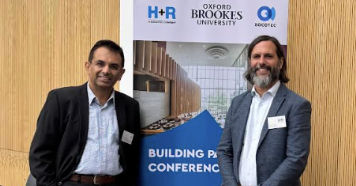
On 22 June 2026, the ARCHI and HEARTH teams hosted NHS staff workshop to gather frontline experiences of working in healthcare environments during extreme heat events and to evaluate potential cooling strategies.
This workshop highlighted a clear consensus that the NHS must transition from reactive emergency cooling measures, such as scrambling for portable air conditioning units, towards proactive, long-term estate planning that integrates overheating mitigation directly into future refurbishments and redevelopments.
The feedback collected highlights the critical operational, clinical, and infrastructural challenges facing healthcare facilities, while outlining key criteria for building long-term resilience across the NHS estate:
Operational infrastructure challenges: Staff reported substantial operational friction during heatwaves, noting that workspace temperatures frequently exceeded 30°C (with some reaching 38°C). Ageing infrastructure, failing air conditioning, and delayed maintenance (e.g., broken blinds) exacerbate these conditions. Furthermore, standard synthetic uniforms worsen thermal discomfort, prompting strong support for lightweight, 100% cotton alternatives.
Clinical and public health interventions: Critical concerns were raised regarding medication storage safety and systemic patient dehydration. Participants noted that patients are frequently dehydrated before admission, highlighting a need for earlier public health messaging and proactive hydration strategies (e.g., water-rich foods). Structurally, a persistent conflict exists between active cooling measures (like fans) and stringent infection prevention and control guidelines.
Estate adaptation and future planning: Discussion of cooling interventions revealed strong support for nature-based solutions and green infrastructure, which offer co-benefits like stormwater management and enhanced wellbeing. However, implementation must navigate distinct estate constraints, including limited site footprints, retrofitting costs for older facilities, and potential conflicts with car parking capacity.


Comments